Why Is My Engine Overheating? Causes and Fixes
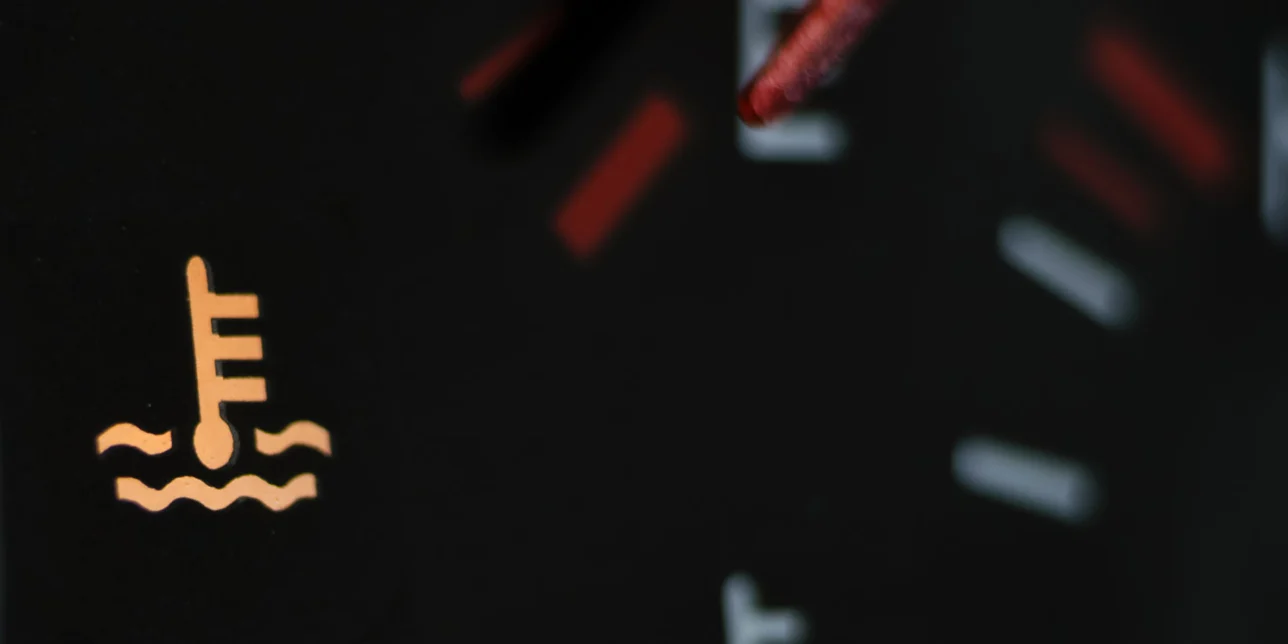
An overheating engine is a clear sign that something is wrong with your vehicle. Ignoring it can lead to severe and permanent damage. If your Engine Temperature warning light comes on, get your car to a service center immediately. Here’s what to do and how to prevent it.
What to Do When Your Engine Overheats
Common signs of an overheating engine include:
- Reduced engine power
- A burning, “hot” smell from melting rubber or plastic
- Thumping noises from the engine
- An excessively hot hood
- Smoke or steam from under the hood
Steps to Take
- Pull over safely and turn off the engine.
- Turn off the A/C and turn on the heat to draw heat away from the engine.
- Open windows to help dissipate heat.
- Call for roadside assistance.
- Do not open the hood while it’s hot.
If towing isn’t possible:
- Wait 30 minutes for the engine to cool.
- Check the temperature gauge for normal readings.
- If you have coolant, carefully top off the reservoir once the hood is cool.
- Drive slowly to the nearest service center, monitoring the gauge.
- If the temperature rises again, stop and repeat as needed.
Important: A temporary drop in temperature does not mean the problem is fixed. Professional service is required.
Prevent Your Car From Overheating
Routine preventive maintenance reduces the risk of overheating:
- Check coolant levels regularly.
- Keep extra coolant in your trunk.
- Monitor your temperature gauge while driving.
- Avoid excessive A/C use on hot days.
- Follow your owner’s manual for coolant flush intervals.
Causes of Engine Overheating
1. Coolant is Too Low
Low coolant is the most common cause of overheating. It can result from leaks or neglecting to top off. Low coolant also reduces fuel efficiency. Visit your local Grease Monkey location for a complimentary top-off between oil changes.
2. Water Pump Issues
The water pump circulates coolant through the engine. Dirty coolant can clog the pump, increasing overheating risk. Regular coolant inspections help prevent this.
3. Cooling System Leaks
Leaks cause low coolant levels. Signs include frequent top-offs or sweet-smelling puddles under your car.
4. Low Oil Levels
Motor oil helps cool engine parts. If your engine runs hot, check oil levels. Schedule regular full-service oil changes per your manual.
5. Radiator Problems
Radiator fans lower coolant temperatures. A faulty fan or radiator cannot remove enough heat. Grease Monkey offers radiator flush and cap replacement services.
6. Worn Coolant Belts
Belts drive the water pump. Worn or frayed belts reduce coolant flow. Inspect belts regularly and replace them as needed.
7. Damaged or Blocked Hoses
Coolant hoses transport fluid throughout the engine. Signs of trouble:
- Broken clamps
- Crusty residue
- Swollen or cracked hoses
- Coolant leaks
Heater Core is Clogged or Blocked
The heater core transfers heat from the coolant to warm your cabin. A clogged core disrupts coolant flow, leading to overheating.
Keep Your Engine Cool with Grease Monkey
Grease Monkey offers coolant and radiator services to keep your engine running smoothly. Every full-service oil change includes a multi-point inspection. Find your nearest Grease Monkey location today and keep your vehicle at a safe temperature.


Plan Your Visit
Find a location near you, explore current deals, and get everything you need before you roll in.